Have you ever wondered about the types of foods that can help you achieve ketosis and keep you there? If you’re exploring the ketogenic diet, you’re probably aware that it revolves around high-fat, moderate protein, and very low-carb foods. But what does that really mean for your shopping list and meal prep? Let’s take an in-depth look at how the right foods can support a state of ketosis and enhance your health journey.
Understanding Ketosis
Before identifying the foods that can land you in ketosis, it’s essential to grasp what ketosis is. Ketosis is a natural metabolic state where your body, instead of burning carbohydrates for energy, starts to burn fats. This process leads to the production of ketones, which act as an alternative fuel for your body, particularly your brain.
How Can You Achieve Ketosis?
Achieving ketosis typically requires reducing your carbohydrate intake to around 20-50 grams per day. This dramatic reduction forces your body to find alternative fuel sources, namely fat. The transition might be tough initially, but once your body adapts, it will efficiently burn fat for fuel, helping with weight loss and improving mental clarity.
High-Fat Foods to Embrace
Healthy Fats and Oils
Healthy oils are fundamental in a ketogenic diet. Oils like olive oil, avocado oil, and coconut oil not only provide healthy fats but also have several health benefits. Olive oil, for instance, is rich in monounsaturated fats and antioxidants, while coconut oil contains medium-chain triglycerides (MCTs), which can quickly be converted to ketones.
Avocados
Avocados are a powerhouse of the keto diet. Besides being loaded with healthy fats, they are also packed with important nutrients like potassium, which is crucial during the initial phases of ketosis when you might lose electrolytes.
Fatty Fish
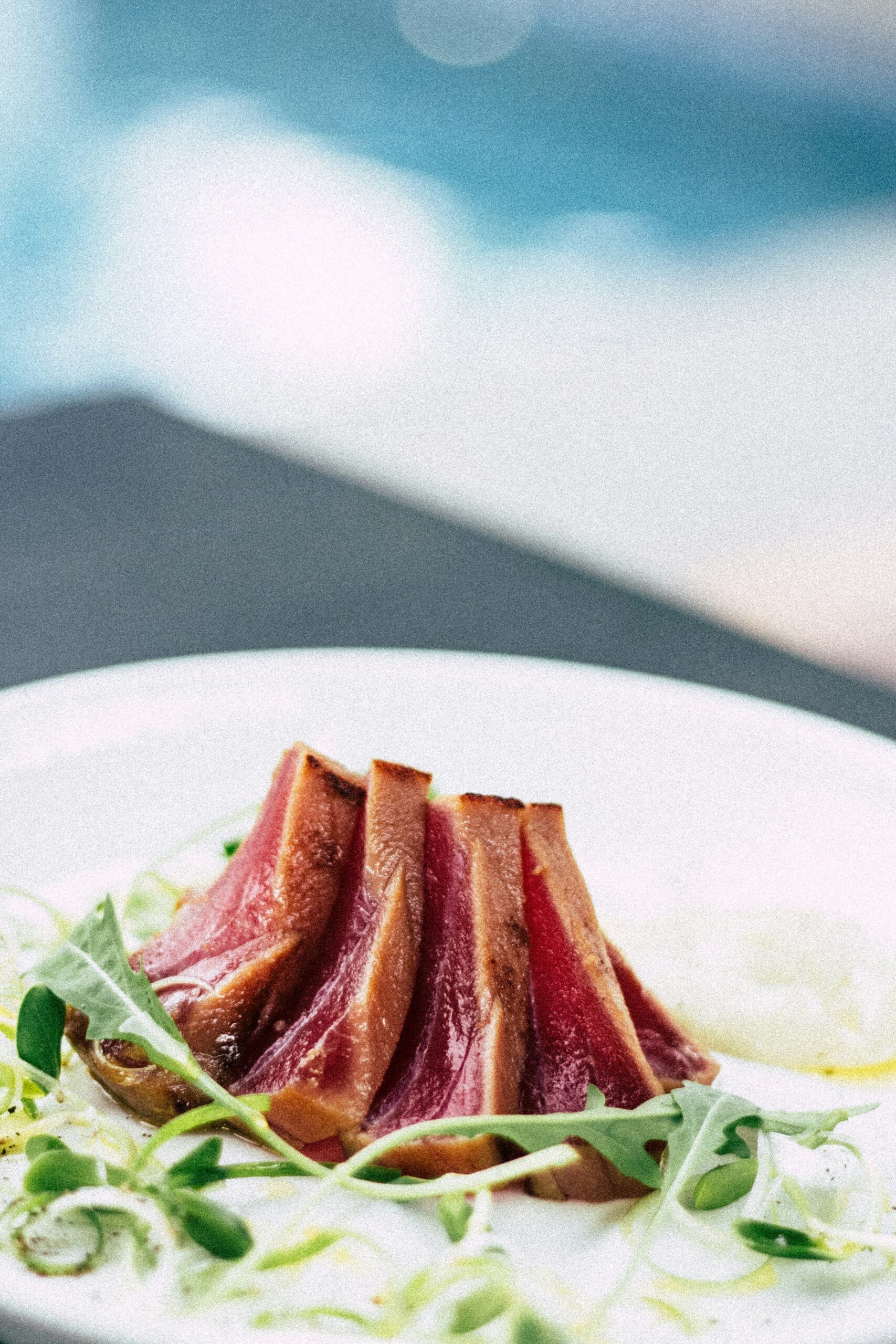
Incorporate fatty fish such as salmon, mackerel, and sardines into your diet. They are excellent sources of omega-3 fatty acids and are also substantial in proteins. These fish help in reducing insulin levels and increasing insulin sensitivity, aiding in maintaining ketosis.
Nuts and Seeds
Nuts and seeds are great for snacking while on a ketogenic diet. They provide healthy fats and fiber. However, be cautious as they also contain carbohydrates, so monitoring your intake is key. Popular choices include almonds, walnuts, chia seeds, and flaxseeds.
| Nut/Seed | Carbs (per 100g) | Net Carbs |
|---|---|---|
| Almonds | 22g | 10g |
| Walnuts | 14g | 7g |
| Chia Seeds | 42g | 7g |
| Flaxseeds | 29g | 1g |
Moderate-Protein Foods for Ketosis
While protein is essential in maintaining muscle mass, there’s a fine line. Consuming too much protein can lead to gluconeogenesis, pushing your body to convert protein into glucose, which can kick you out of ketosis.
Meat and Poultry
Opt for fatty and unprocessed meats whenever possible. Beef, pork, chicken thighs, and turkey are excellent sources. Always consider the quality of the meat, choosing organic and grass-fed options to avoid antibiotics and added hormones.
Eggs
Eggs are not only versatile but also packed with fats and essential nutrients. They are low in carbohydrates and can be a foundation of many keto meals, from breakfast to dinner. They contain choline, a nutrient vital for brain health, which is a great bonus.
Low-Carb Vegetables for Keto
Vegetables on a ketogenic diet should primarily be non-starchy and low in carbs. These are rich in essential nutrients and fiber which assist in digestion and help prevent constipation.
Leafy Greens
Embrace leafy greens such as spinach, kale, and Swiss chard. These vegetables are extremely low in carbohydrates and contain several vitamins and minerals that contribute to your overall health.
Cruciferous Vegetables
Broccoli, cauliflower, and Brussels sprouts are excellent choices. Not only are they nutritious, but they are also incredibly versatile, lending themselves to a variety of dishes.
| Vegetable | Carbs (per 100g) | Net Carbs |
|---|---|---|
| Spinach | 3.6g | 1.4g |
| Broccoli | 7g | 4g |
| Cauliflower | 5g | 3g |
| Kale | 10g | 5g |
Dairy Products Fit for Keto
Dairy can be part of a ketogenic diet, granted you choose full-fat versions. Low-fat or flavored dairy products often have added sugars, which are unsuitable for maintaining ketosis.
Cheese
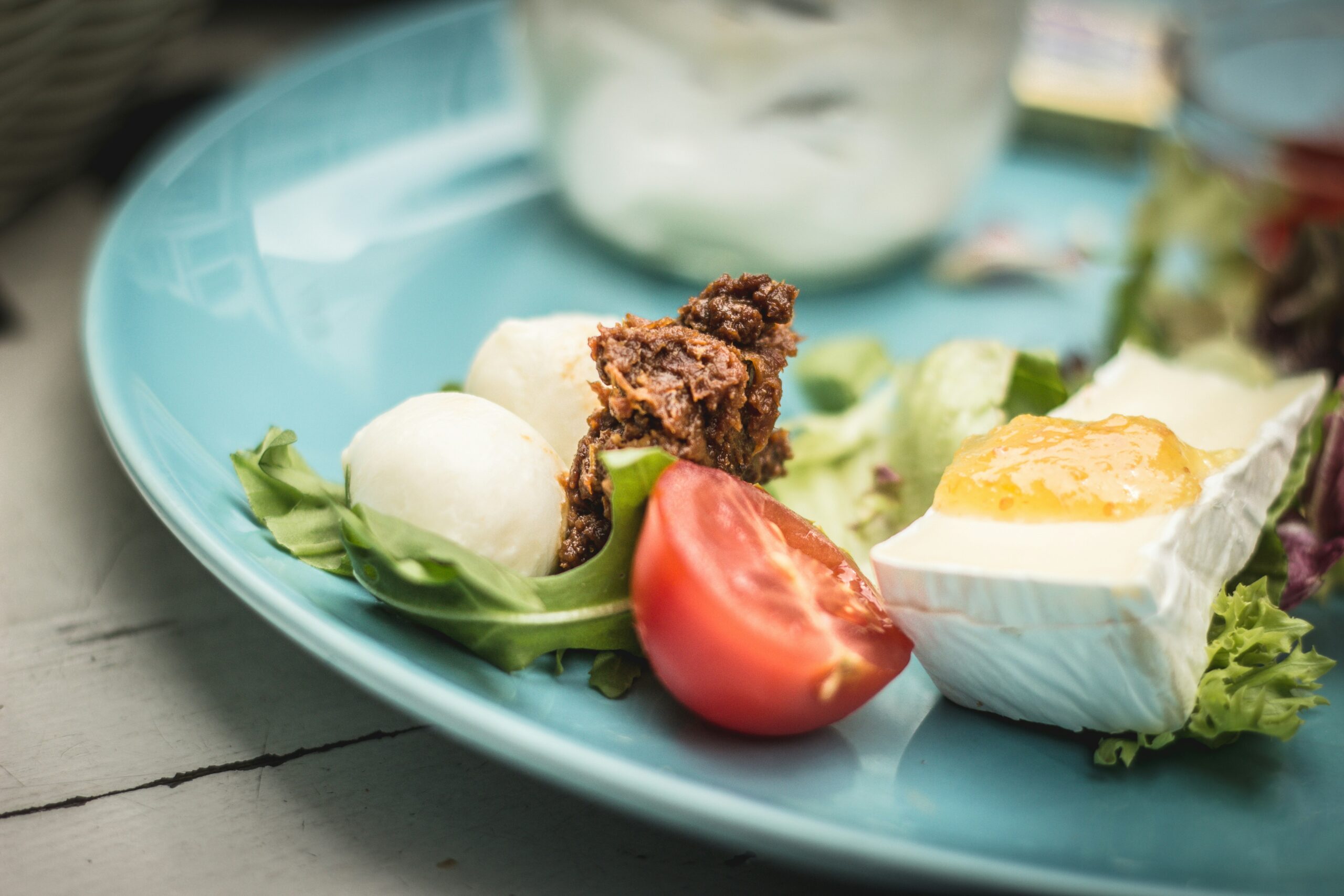
Cheese is both delicious and keto-friendly. It’s low in carbohydrates but high in fats, making it an ideal addition to meals. Options like cheddar, mozzarella, and goat cheese provide variety and nutritional benefits.
Heavy Cream and Butter
Avoid milk as it contains lactose, which is a sugar. Instead, opt for heavy cream and butter. They are excellent for adding richness to coffee, sauces, and baked goods without the carbs.
Keto-Friendly Condiments and Snacks
Keto condiments can add flavor to your meals without the carbohydrates. Focus on natural, sugar-free options to enhance your dishes.
Olive Tapenade and Guacamole
These are perfect for adding zest to your meals and require minimal carbs. Olive tapenade utilizes olives, anchovies, and capers, while guacamole brings avocados and lime into the mix.
Seaweed Snacks
Seaweed snacks are low in carbs but pack a nutritional punch. They are a great way to consume iodine, which supports thyroid function.
Beverages That Support Ketosis
Beverage choices can significantly impact your ability to maintain ketosis. Stick to low-carb, sugar-free options to stay on track.
Coffee and Tea
Both can be consumed without breaking ketosis if taken without sugar. Adding MCT oil or a dollop of heavy cream to your coffee can provide additional fats needed for ketosis.
Bone Broth
An excellent option during keto because it’s nutrient-rich and helps replenish electrolytes—especially beneficial during the initial adjustment period to a keto lifestyle.
Common Pitfalls: Foods to Avoid
While certain foods can promote and sustain ketosis, others can potentially disrupt your progress. Recognizing these can help you make better choices.
Avoid Grains and Starches
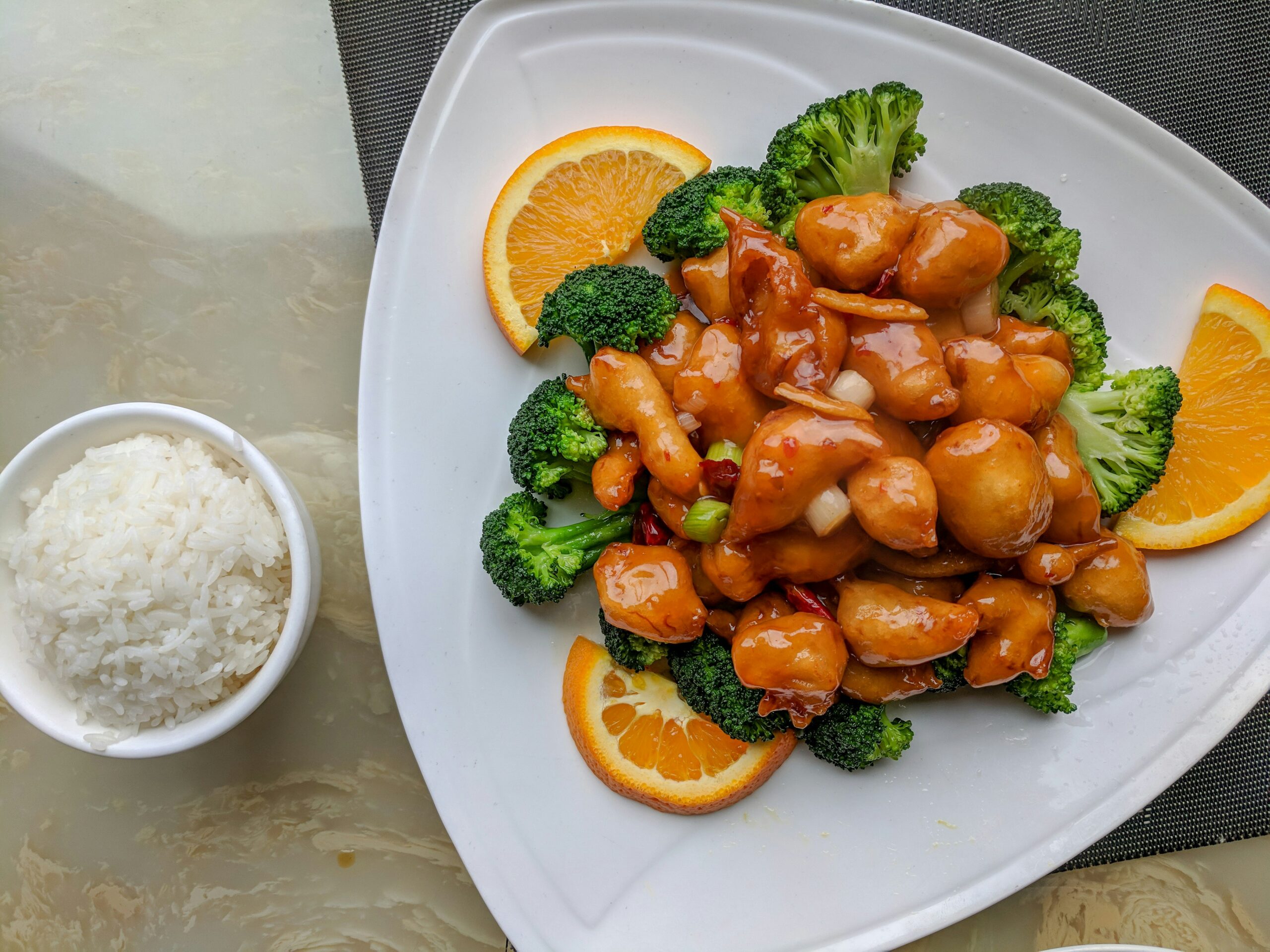
Items such as bread, pasta, rice, and cereals generally have high carbohydrates, making them unsuitable for a ketogenic diet. Stick with alternative grains that offer low-carb content if necessary.
Limit Fruit Intake
Most fruits are high in carbs, with some exceptions like berries. It’s essential to consume fruits sparingly to avoid excess carbohydrate intake.
| Fruit | Carbs (per 100g) | Net Carbs |
|---|---|---|
| Blueberries | 14g | 12g |
| Strawberries | 8g | 6g |
| Raspberries | 12g | 6g |
| Blackberries | 10g | 5g |
Supplements and Their Role
While whole foods should be your main focus, supplements can help fill nutritional gaps or support the transition into ketosis.
Exogenous Ketones
These supplements can supply your body with additional ketones to help you achieve ketosis faster, particularly when beginning the diet or including carb-heavy days.
Electrolyte Supplements
These can be crucial in preventing “keto flu” symptoms when you initially switch to a ketogenic lifestyle. Supplements containing magnesium, potassium, and sodium can ensure you maintain proper nutrient levels.
Adapting to and Monitoring Ketosis
Once you’ve tailored your meals to fit ketogenic criteria, it’s crucial to monitor progress and make necessary adjustments.
Testing Ketone Levels
Several methods exist to test ketone levels, from urine strips to blood testing. Monitoring can provide insights into how your body responds to different foods and help you adjust your diet accordingly.
Adjusting for Lifestyle
Understand that each person is unique; what works for one individual may not work for another. Experiment and adjust your intake of macronutrients based on personal results and lifestyle needs.
Conclusion
Understanding what foods can put you in ketosis is a critical part of succeeding on a ketogenic diet. By selecting high-fat, low-carb, and moderate-protein foods, you can ensure that your body enters and remains in a state of ketosis, thus maximizing the benefits of keto. At the heart of it, a ketogenic diet is not just about food choices but also about long-term lifestyle changes. Embrace these foods and tips to empower your journey toward a healthier, more energetic you.